Grow A Healthier Vegetable Garden With Calendula Companion Vegetables
Grow a Healthier Vegetable Garden with Calendula Companion Vegetables
Calendula is a beautiful, easy-to-grow flower that has many benefits for the vegetable garden. It can help to attract beneficial insects, repel pests, and improve soil health. In this blog post, we will discuss the benefits of companion planting with calendula, and provide some tips on how to do it successfully.
Why Companion Plant with Calendula?
There are many reasons why you should companion plant with calendula. Here are a few of the benefits:
- Attracts beneficial insects. Calendula is a magnet for beneficial insects, such as ladybugs, lacewings, and hoverflies. These insects help to control pests in the garden, such as aphids, cabbage worms, and tomato hornworms.
- Repels pests. The strong scent of calendula can help to repel pests, such as rabbits, deer, and rodents. It can also help to deter some common garden pests, such as spider mites, whiteflies, and nematodes.
- Improves soil health. Calendula is a good source of nitrogen, and it can help to improve the overall health of the soil. It also helps to suppress weeds, and it can be used as a compost activator.
How to Companion Plant with Calendula
Companion planting with calendula is easy to do. Simply plant calendula near your vegetable plants. Here are some specific companion planting combinations that work well:
- Calendula and tomatoes. Calendula helps to repel tomato hornworms and other pests that can damage tomatoes.
- Calendula and carrots. Calendula helps to repel carrot flies and other pests that can damage carrots.
- Calendula and asparagus. Calendula helps to repel asparagus beetles and other pests that can damage asparagus.
- Calendula and beans. Calendula helps to attract pollinators that help to pollinate beans.
- Calendula and cucumbers. Calendula helps to repel cucumber beetles and other pests that can damage cucumbers.
When companion planting with calendula, it is important to plant it about 12 inches away from your vegetable plants. This will give the calendula enough space to grow, and it will also help to prevent the spread of any diseases or pests.
Tips for Companion Planting with Calendula
Here are a few tips for companion planting with calendula:
- Choose the right variety. There are many different varieties of calendula, so it is important to choose one that is suited for your climate.
- Plant in full sun. Calendula needs full sun to thrive.
- Water regularly. Calendula needs regular watering, especially during hot, dry weather.
- Fertilize lightly. Calendula does not need a lot of fertilizer. A light application of compost or manure in the spring will be sufficient.
- Deadhead regularly. Deadheading will help to encourage more blooms.
Conclusion
Calendula is a valuable companion plant for the vegetable garden. It can help to attract beneficial insects, repel pests, and improve soil health. If you are looking for a way to improve the health and productivity of your vegetable garden, companion planting with calendula is a great option.
Calendula is a beautiful and beneficial flower that can be a great addition to any vegetable garden. In addition to its bright orange and yellow blooms, calendula also has a number of pest-repelling properties, making it a great companion plant for many vegetables.
Some of the best companion vegetables for calendula include:
- Tomatoes: Calendula helps to repel tomato worms and nematodes, two common pests that can damage tomatoes.
- Carrots: Calendula helps to improve the flavor of carrots and can also help to deter carrot fly larvae.
- Asparagus: Calendula helps to improve the growth of asparagus and can also help to repel aphids.
- Beans: Calendula helps to attract beneficial insects that help to control pests that can damage beans.
- Cucumbers: Calendula helps to repel cucumber beetles and other pests that can damage cucumbers.
If you're looking for a way to improve the health and productivity of your vegetable garden, consider planting calendula as a companion plant. For more information about calendula companion vegetables, visit Garden Wiki.
FAQ of calendula companion vegetables
Q: What are the benefits of planting calendula with vegetables?
A: Calendula is a great companion plant for vegetables because it attracts beneficial insects, such as ladybugs and hoverflies, which help to control pests. It also repels unwanted pests, such as tomato worms and nematodes. Additionally, calendula can improve the soil quality by attracting earthworms and breaking down organic matter.
Q: What vegetables are good companions for calendula?
A: Some of the best companion vegetables for calendula include:
- Beans
- Brassicas (such as broccoli, cabbage, and cauliflower)
- Carrots
- Cucumbers
- Lettuce
- Melons
- Onions
- Peas
- Potatoes
Q: How far apart should calendula be planted from vegetables?
A: Calendula should be planted about 12 inches apart from vegetables. This will give the plants enough space to grow and thrive.
Q: When should calendula be planted with vegetables?
A: Calendula can be planted with vegetables in the spring or fall. It is important to plant calendula when the soil is warm and the weather is mild.
Q: How do I care for calendula companion plants?
A: Calendula is a relatively low-maintenance plant. It needs full sun and well-drained soil. Calendula should be watered regularly, but not too much. The plants should be fertilized every few weeks with a balanced fertilizer.
Image of calendula companion vegetables
5 different images of "calendula companion vegetables" from Pinterest:
- Calendula and tomatoes: Calendula is a good companion plant for tomatoes because it helps to repel tomato hornworms and other pests.
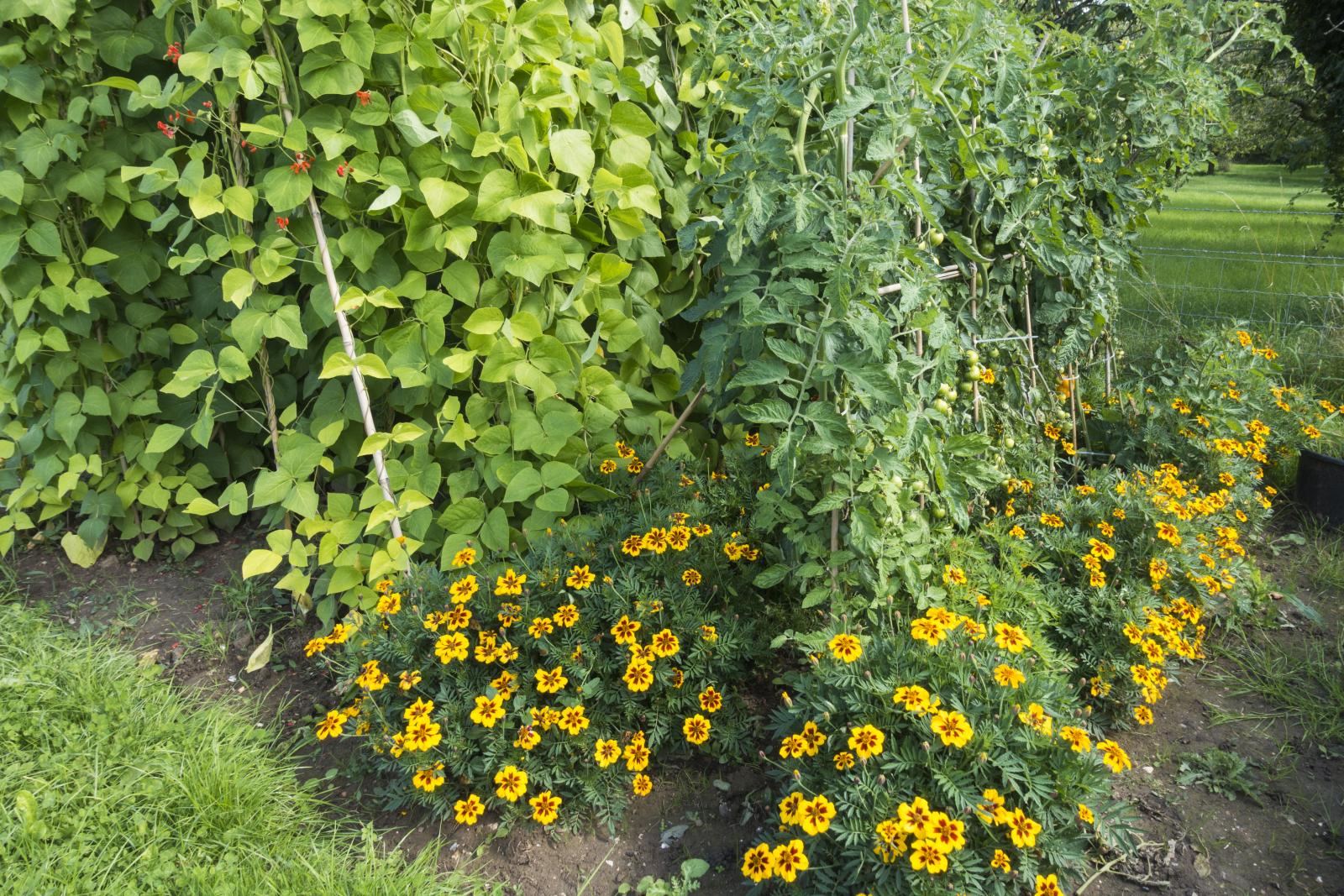
- Calendula and cucumbers: Calendula also helps to repel cucumber beetles, so it's a good choice for companion planting with cucumbers.

- Calendula and peas: Calendula can help to attract pollinators, which is beneficial for peas.
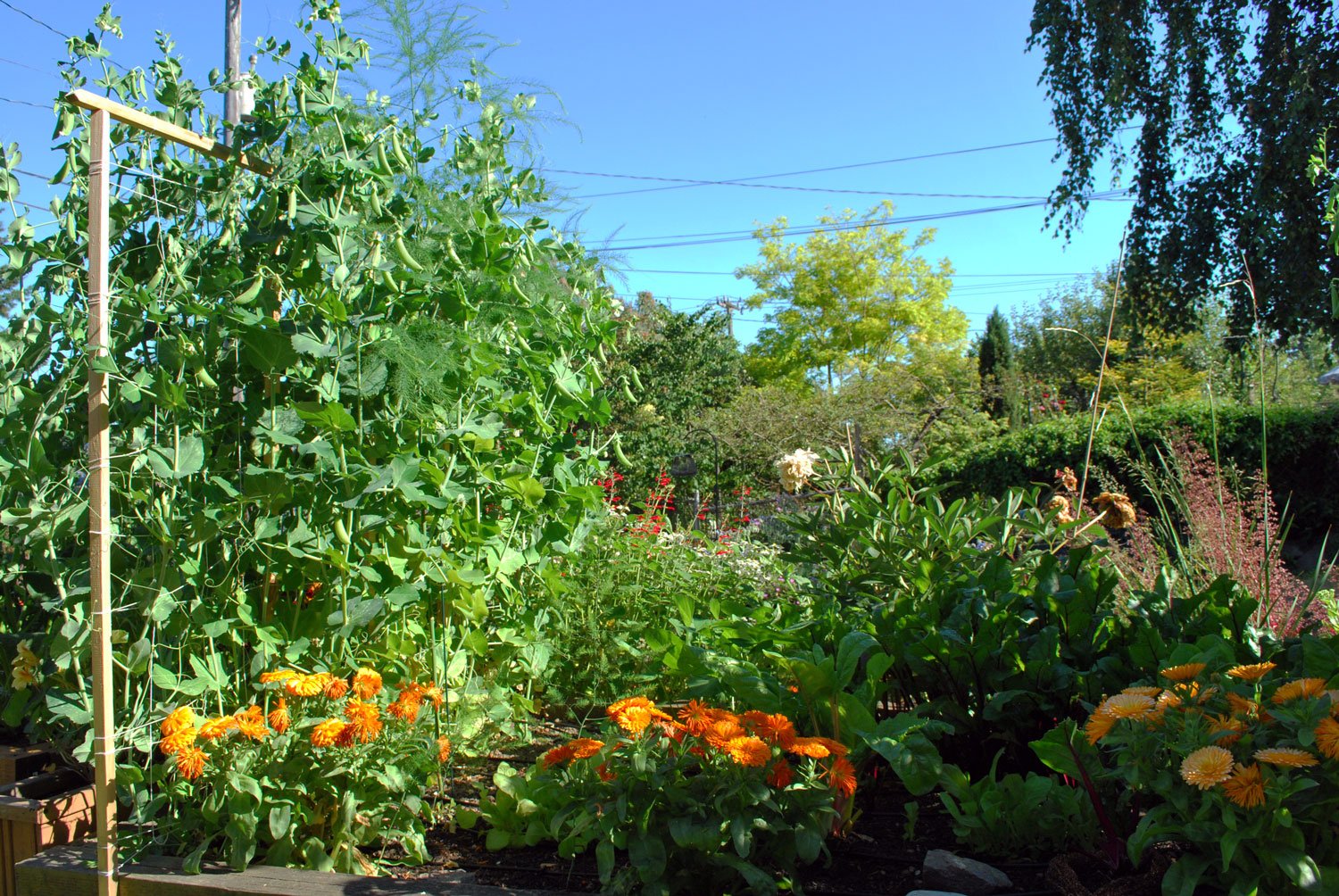
- Calendula and carrots: Calendula can help to repel carrot flies, so it's a good choice for companion planting with carrots.
- Calendula and asparagus: Calendula can help to improve the flavor of asparagus, so it's a good choice for companion planting with asparagus.

Post a Comment for "Grow A Healthier Vegetable Garden With Calendula Companion Vegetables"